
Importing goods from China is a lucrative opportunity for many businesses, especially in Southeast Asia. However, navigating the complexities of customs law is essential to ensure compliance, avoid costly penalties, and streamline your import operations. This article provides a comprehensive guide to customs regulations for importing goods from China, especially with a focus on Thailand-bound shipments.
Introduction to Customs Law for Imports from China
Why Understanding Customs Law Is Important for Importers
Avoid Delays and Penalties
Cost Control and Tax Management
Business Compliance and Reputation
Key Documents Required for Importing from China
Import Duties and Taxes
HS Codes and Product Classification
The Role of Customs Brokers and Freight Forwarders
Restricted and Prohibited Goods
Common Mistakes Importers Make
Tips to Ensure Smooth Customs Clearance
Penalties and Legal Consequences of Violations
Conclusion and Best Practices
Introduction to Customs Law for Imports from China
Customs law refers to the rules, procedures, and regulations governing the import and export of goods across borders. When importing from China, businesses must comply with both Chinese export regulations and the import laws of the destination country. Understanding these laws helps ensure that shipments pass through customs smoothly without unnecessary delays or penalties.

Why Understanding Customs Law Is Important for Importers
In today’s global trade environment, importing products from overseas—especially from manufacturing hubs like China—has become easier than ever. However, one crucial area that many new importers overlook is customs law. Understanding customs regulations is not just a legal formality—it’s a strategic part of running a successful import business.
Avoid Delays and Penalties
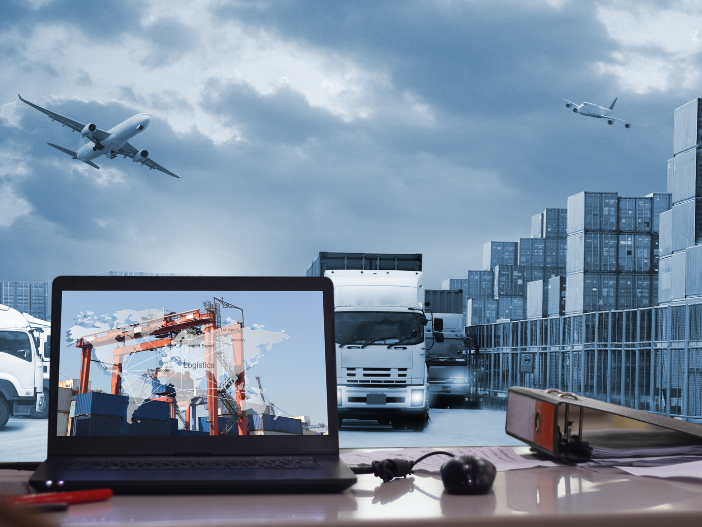
Every country has its own customs procedures and requirements. Failing to comply with these can result in delays, penalties, or even the confiscation of goods. Misclassified HS codes, underreported values, or missing documents are common issues that can stop your shipment at the border.
By understanding customs law, importers can avoid these costly mistakes. Knowing which documents are required—such as the commercial invoice, packing list, Form E, and bill of lading—ensures your shipment moves smoothly.

Cost Control and Tax Management
Understanding how import taxes, customs duties, and VAT are calculated helps you manage costs. If you’re unaware of how CIF value (Cost + Insurance + Freight) affects tax calculation, you might end up with unexpected expenses.
Proper understanding also allows you to benefit from free trade agreements like the ASEAN-China Free Trade Agreement (ACFTA). With the correct use of Form E, you can legally reduce or eliminate certain import duties—saving your business significant money.
Business Compliance and Reputation
Operating within the legal framework builds your company’s credibility. Government authorities may monitor or blacklist repeat offenders. Staying compliant protects your long-term business, avoids legal complications, and strengthens relationships with logistics partners and customs brokers.
Key Documents Required for Importing from China
To import legally from China, several key documents are required at customs checkpoints:
- Commercial Invoice – Shows the transaction value and goods details
- Packing List – Details of the items and packaging
- Bill of Lading (B/L) or Air Waybill (AWB) – Shipping proof
- Import License (if applicable)
- Certificate of Origin – Particularly important for using trade agreements
- Form E – For ASEAN-China Free Trade Agreement tariff reduction
Make sure documents match the actual goods to avoid suspicion.
Import Duties and Taxes
Every country imposes import duties and value-added tax (VAT) on incoming goods. In Thailand, importers are subject to:
- Customs Duty – Based on CIF value (Cost + Insurance + Freight)
- VAT – Usually 7% of the CIF + Duty value
- Excise Tax – On selected goods like alcohol or cosmetics
Incorrect duty declarations may result in penalties or delays in release.

HS Codes and Product Classification
The Harmonized System (HS) Code is a universal product classification code used in customs clearance. Correctly identifying your product’s HS code is critical:
- It determines the duty rate
- It impacts whether the product is restricted or banned
- It ensures consistency across documents
Misclassification, whether accidental or deliberate, can cause legal issues or overpayment.
The Role of Customs Brokers and Freight Forwarders
Customs brokers and freight forwarders play key roles in international trade:
- Freight Forwarders manage logistics, documentation, and consolidation
- Customs Brokers handle declarations, HS codes, and taxes
Hiring experienced professionals can reduce risk, improve accuracy, and save time—especially if you’re new to importing.

Restricted and Prohibited Goods
Not all goods can be imported freely. Some require special permits, while others are outright banned. Examples include:
- Restricted Goods: Chemicals, food items, medical equipment (require permits)
- Prohibited Goods: Counterfeit products, narcotics, hazardous waste
Always check import control lists of both countries and consult customs advisors for up-to-date regulations.

Common Mistakes Importers Make
Importers often run into trouble due to avoidable mistakes, such as:
- Using the wrong HS code
- Undervaluing invoices to save on taxes
- Ignoring product labeling or language requirements
- Failing to verify supplier documentation
- Not declaring additional items or gifts included in shipments
These issues can trigger red flags and lead to customs inspections, fines, or even shipment confiscation.
Tips to Ensure Smooth Customs Clearance
To ensure a smooth process:
- Work with a verified freight forwarder and customs broker
- Always match invoice, packing list, and shipment content
- Keep digital copies of all documents
- Use correct HS codes and double-check duty rates
- Pay duties and taxes on time
- Prepare for random inspections—especially on high-risk goods
Prevention and transparency go a long way in successful importing.
Thailand-China Customs Agreement and Form E
Thailand and China are part of the ASEAN-China Free Trade Agreement (ACFTA). Under this agreement, eligible products may enjoy reduced or zero import duties.
To benefit from the ACFTA:
- Ensure goods are listed as originating from China
- Obtain and submit Form E, issued by the Chinese authorities
- Present the form upon customs clearance in Thailand
Form E significantly reduces import costs for qualifying products.
Penalties and Legal Consequences of Violations
Failure to comply with customs laws can result in:
- Fines – For incorrect declarations or misclassification
- Confiscation – For prohibited or undeclared goods
- Delayed Delivery – Due to document inconsistencies
- Blacklisting – Repeated violations may result in import bans
- Criminal Charges – In severe cases such as smuggling
It’s far cheaper to follow the rules than to recover from violations.



Conclusion and Best Practices
Understanding customs law is essential for anyone importing goods from China. Whether you’re an individual importer or a large enterprise, compliance ensures business continuity and protects your investment.
Here are final best practices:
- Educate your team about basic customs compliance
- Choose reliable logistics partners with a track record
- Stay updated with regulation changes
- Always verify your documents before shipment
- Ask for expert help when needed
Importing legally is not just a requirement—it’s the foundation for sustainable business growth.